Namyalo Demands Tax Reforms, Raises Concerns Over URA and Foreign Business Practices
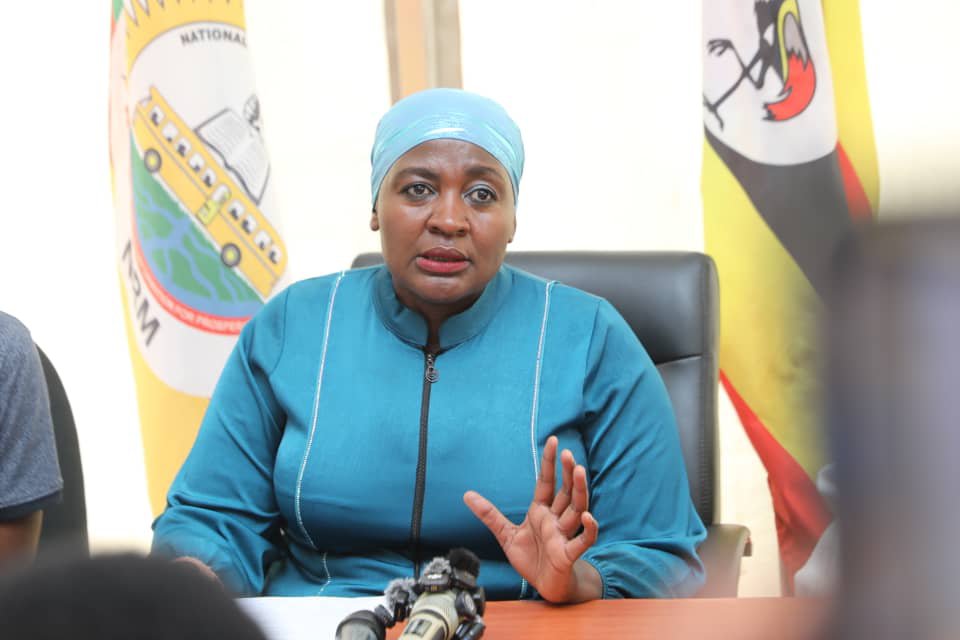
Senior Presidential Advisor and Head of the Office of the National Chairman (ONC), Hajjat Hadijah Namyalo Uzeiye, has called for sweeping reforms in Uganda’s taxation system, warning that excessive taxes and administrative inefficiencies are threatening the survival of indigenous businesses.
Namyalo said mounting pressure on traders, business protests and the closure of enterprises reflect deeper economic challenges that require urgent government intervention.
Speaking during a press conference at her office in Kyambogo, she questioned the government’s wealth-creation agenda amid taxation policies she believes are making it harder for local entrepreneurs to establish, sustain and expand their businesses.
She argued that Uganda cannot achieve meaningful economic transformation if indigenous enterprises continue operating under heavy tax burdens and unfair market conditions.
Namyalo Questions Heavy Import Taxes
One of the major concerns she raised was the import duty structure introduced under the 2025/2026 financial-year measures.
The measures include charges of US$2 per kilogramme on imported fabrics and US$2.5 per kilogramme on garments.
Namyalo said these charges, combined with VAT, withholding tax, infrastructure levies and other import-related costs, significantly reduce traders’ profit margins.
She added that businesses eventually transfer some of these costs to consumers through higher prices.
She called for a review of the taxation framework to ensure revenue collection supports, rather than undermines, enterprise growth.
Foreign Businesses and Competition Under Scrutiny
Namyalo also questioned what she described as an uneven business environment between indigenous Ugandan traders and some foreign-owned enterprises.
She raised concerns about foreign investors who establish manufacturing and wholesale businesses before expanding into retail trade.
According to her, this creates direct competition for local traders who operate with limited financial resources.
She noted that many Ugandan entrepreneurs depend on personal savings and commercial bank loans to establish businesses.
They must also meet rental obligations, pay employees and fulfil tax requirements.
Namyalo argued that businesses with greater financial capacity can withstand market pressures more easily, placing smaller indigenous enterprises at a disadvantage.
She urged government to strengthen enforcement of regulations governing foreign business operators and ensure compliance across the sector.
Namyalo Raises Questions Over URA Operations
The ONC chief also questioned some tax assessment and goods-clearance procedures within the Uganda Revenue Authority (URA).
She cited complaints from traders about inconsistent valuations, additional assessments after goods clearance, prolonged delays and rising storage charges.
She said these challenges increase the cost of doing business and create uncertainty for importers.
Namyalo further called for investigations into allegations of corruption, extortion and other irregularities within the revenue authority.
She argued that traders who have fulfilled their tax obligations should not face repeated charges or unnecessary administrative hurdles.
She called for greater transparency, accountability and improved relations between URA officials and the business community.
President Museveni Asked to Intervene
Recalling engagements between business representatives and government in 2023 and 2024, Namyalo said traders had previously sought an opportunity to present their concerns directly to President Yoweri Kaguta Museveni.
She questioned whether the President receives sufficient information about the challenges facing local businesses.
She urged government institutions to establish direct communication channels with traders.
Among the proposed interventions are a comprehensive review of trade and taxation laws, competitive import duties and more efficient border-clearance procedures.
She also proposed regular consultations between URA and business representatives to address emerging concerns.
Namyalo Links Business Survival to Vision 2040
Namyalo reaffirmed the ONC’s commitment to advocating for economic reforms that protect the interests of Ugandan entrepreneurs.
She warned that Uganda’s Vision 2040 and broader wealth-creation ambitions could face challenges if indigenous enterprises continue struggling with excessive taxation, unfair competition and bureaucratic inefficiencies.
She urged President Museveni and relevant government institutions to engage directly with the business community and implement meaningful reforms.
Namyalo stressed that traders are not opposed to paying taxes. Instead, they want a fair, transparent and predictable taxation system that allows businesses to grow.
She said a supportive business environment would enable entrepreneurs to create more jobs, improve household incomes and contribute to national development.
Her remarks add to ongoing concerns about the cost of doing business, tax administration and the sustainability of local enterprises.
However, the allegations concerning URA operations and the conduct of some foreign-owned businesses require responses from the relevant institutions to establish the facts and address the concerns raised.