UWA OFFICERS CHALLENGED TO EMBRACE SCIENTIFIC THINKING DURING KYANKWANZI TRAINING
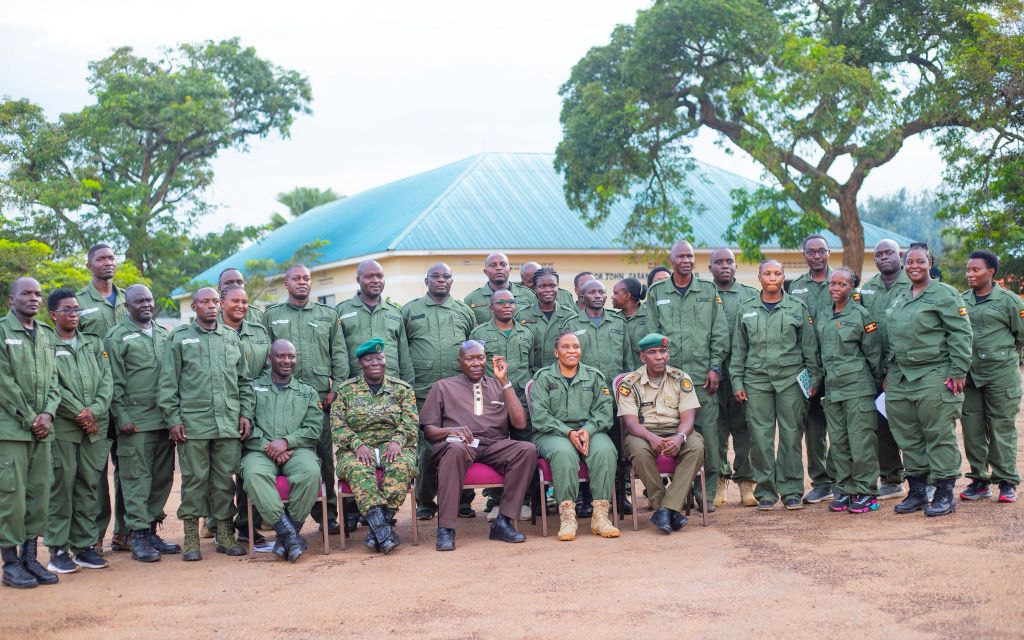
Uganda Wildlife Authority (UWA) officers undergoing leadership training at the National Leadership Institute (NALI) Kyankwanzi have been challenged to embrace scientific thinking and analytical approaches to overcome colonial-era mindsets and strengthen public service delivery.
The officers, who are training alongside participants from the Uganda Investment Authority (UIA) and Uganda Free Zones Authority (UFZA), received the guidance during a lecture on leadership, ideology and national development.
Odauk Highlights Colonial Influence on Mindset
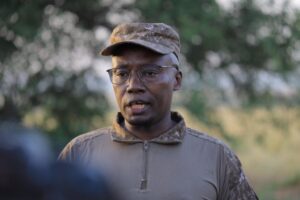
Delivering a lecture titled Thinking as a Tool in the Understanding of Reality, facilitator Mr. Paul Odauk traced several of Uganda’s leadership and development challenges to psychological and ideological legacies of colonialism.
He explained that colonial rule undermined African identity, cultural pride and consciousness, creating a sense of inferiority that continues to influence society.
Odauk cited the preference for foreign languages, dressing styles and cultural practices as examples of attitudes reflecting the continued psychological influence of colonialism.
“Mindset is deeply rooted in personal identity and social constructs, yet it can be reshaped over time through deliberate education and lived experience,” Odauk told the trainees.
Officers Urged to Strengthen Analytical Skills
The facilitator noted that leadership training programmes were originally introduced to promote scientific thinking and standardise approaches to problem-solving.
However, he observed that some graduates still struggle with analytical skills and continue relying on outdated attitudes.
He challenged the officers to apply critical thinking in their respective institutions rather than treating leadership training as merely an academic exercise.
Scientific Thinking Key to National Transformation
Odauk further explained that colonial administration weakened social cohesion by creating divisions between the state and citizens.
He argued that these divisions persist through the conduct of some elites, whose corruption and self-serving interests undermine public confidence and nation-building.
He urged the UWA officers and other participants to develop a scientific understanding of reality, knowledge and human thinking.
He emphasised that public servants need strong analytical abilities to make informed decisions, address institutional challenges and contribute meaningfully to Uganda’s socio-economic transformation.
The training at NALI Kyankwanzi is aimed at strengthening leadership capacity and equipping public officers with the knowledge and mindset required to serve the country effectively.