UBOS Report Highlights Uganda’s Worsening Water and Sanitation Gaps
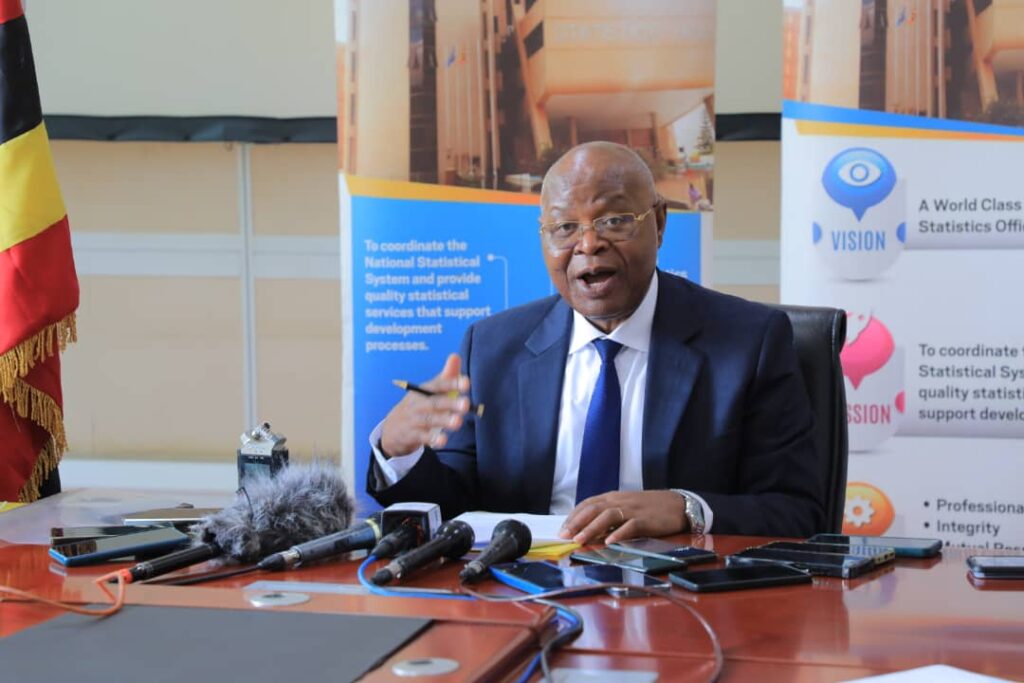
Uganda continues to face significant challenges in accessing safe water, adequate sanitation and proper hygiene facilities, according to findings by the Uganda Bureau of Statistics (UBOS).
The findings reveal gaps in household handwashing facilities, school sanitation infrastructure and the monitoring of water services. They also raise concerns about the reliability and affordability of essential services.
Only 24.3 per cent of Ugandan households have handwashing facilities near their toilets equipped with both soap and water.
Rural households record an even lower coverage of 20.9 per cent, compared to 29 per cent in urban areas.
Kampala leads the country, with 58.3 per cent of households having fixed handwashing facilities near their toilets. Teso, Acholi and Lango registered some of the lowest figures.
Schools Struggle With Inadequate Toilet Facilities
The sanitation challenges extend to educational institutions, where toilet facilities remain insufficient, particularly in government schools.
The Ministry of Education and Sports recommends a maximum of 40 pupils per usable toilet stance in day schools. For boarding schools, the recommended ratio is 15 pupils per stance.
However, government primary schools average 61 pupils per toilet stance. Private primary schools perform better, with an average of 30 pupils per stance.
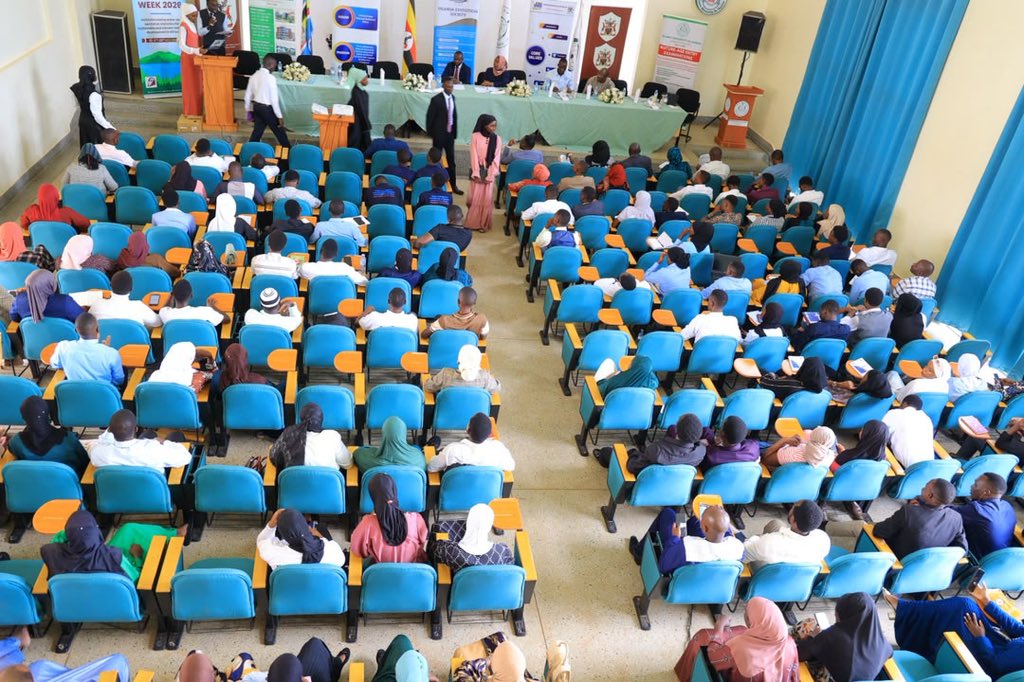
The situation also affects secondary schools. Government institutions record an average of 58 students per stance, compared to 31 in private schools.
Meanwhile, 85.5 per cent of primary schools and 92.6 per cent of secondary schools have improved main drinking-water sources.
However, UBOS warns that improved water sources do not necessarily guarantee safe drinking water.
UBOS Identifies Major Data Gaps
Beyond the infrastructure challenges, UBOS has highlighted weaknesses in the country’s monitoring of water and sanitation services.
The gaps include limited information on the reliability of piped-water supplies and water quality in healthcare facilities.
Other concerns involve menstrual hygiene services, public expenditure and gender-separated sanitation facilities.
These shortcomings make it difficult to establish the actual quality, accessibility and reliability of water and sanitation services across the country.
Bureau Calls for Stronger Monitoring
UBOS recommends regular water-quality testing and improved data collection to address the identified gaps.
It also calls for stronger coordination among government agencies and the publication of detailed district-level statistics.
The findings underline the need for more than expanding water connections, constructing toilets and introducing garbage collection programmes.
Government must also ensure that households, schools and public institutions access safe, reliable and affordable services.
Without proper monitoring and sustained investment, improvements in infrastructure may not translate into better living conditions for Ugandans.