PM Nabbanja Announces October 31 National Cleaning Day, Lira City National Cleanup Site
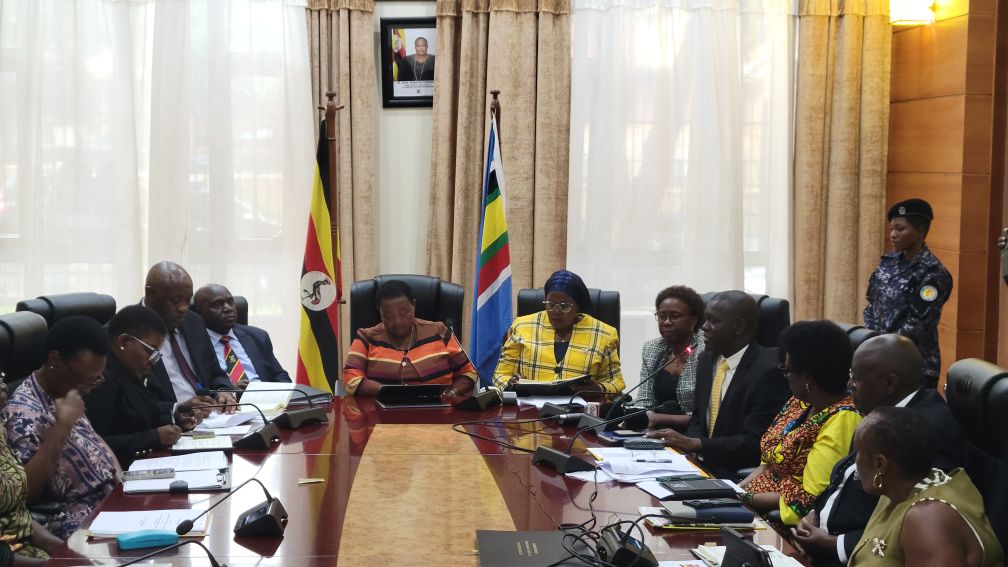
Prime Minister Robinah Nabbanja has announced Saturday, October 31, 2026, as the date for Uganda’s Fourth National Cleaning Day, calling on citizens to participate in the nationwide sanitation exercise.
The exercise will run from 7:00 a.m. to 10:00 a.m., with Lira City designated as the national cleanup site ahead of the 2027 Africa Cup of Nations (AFCON).
In a press conference at the Office of the Prime Minister, Nabbanja said every district, city, municipality, town council, sub-county, parish and village must participate.
She urged Ugandans, institutions, schools, businesses and community organisations to prepare for the exercise and take responsibility for keeping their surroundings clean.
Nabbanja Highlights Nationwide Participation
Nabbanja commended Ugandans for participating in the first three National Cleaning Day exercises held on July 25, August 29 and September 26, 2026.
The national events took place in Kampala, Wakiso and Hoima City, respectively.
She also recognised President Yoweri Kaguta Museveni, the Vice President, parliamentary leaders, members of the Judiciary, ministers, Members of Parliament and local government officials for supporting the initiative.
The Prime Minister further praised security agencies, waste collection contractors, truck drivers and other service providers for their contribution.
She called on Resident District Commissioners, Resident City Commissioners, mayors, district chairpersons and local council leaders to coordinate the upcoming exercise effectively.
Vehicle and Pedestrian Movement to Be Restricted
The government has announced restrictions on the movement of vehicles, motorcycles, bicycles and pedestrians during the designated cleaning period.
The restrictions will apply from 7:00 a.m. to 10:00 a.m. on the last Saturday of every month.
However, exemptions will cover garbage collection trucks, medical and ambulance services, security personnel, foreign tourists, diplomats, health workers and people undertaking scheduled international travel with the required supporting documents.
Nabbanja urged the public to plan their movements accordingly and follow guidance from the relevant authorities.
She also directed responsible officials to communicate the restrictions and exemptions clearly before the exercise.
Government Demands Better Waste Management
Despite improvements in cleanliness since the programme began, Nabbanja expressed concern about garbage that continues to accumulate in some areas.
She directed local governments and relevant institutions to strengthen sanitation supervision, remove accumulated waste promptly and enforce applicable sanitation measures.
Authorities must also provide cleaning tools, protective equipment, waste collection trucks, wheelbarrows, fuel and other logistical support.
The Prime Minister emphasised that collected waste must reach approved disposal or treatment facilities rather than being transferred to other public spaces.
She encouraged businesses, non-governmental organisations and civil society groups to support the exercise with cleaning equipment and other materials.
Lira’s Role Does Not Exclude Other Areas
Nabbanja clarified that Lira City’s designation as the national cleanup site does not limit participation to the city.
She called on communities across Uganda to prioritise roadsides, public walkways, markets, trading centres, drainage channels, schools, health facilities, residential neighbourhoods and workplaces.
She also urged citizens to sort waste where possible, use designated collection points and avoid dumping rubbish in drainage channels or other unauthorised places.
According to Nabbanja, the government wants to establish lasting sanitation habits rather than rely on occasional cleaning campaigns.
“Our objective is not simply to clean the country for three hours on one day,” she said, emphasising the need to make cleanliness a permanent national value.
Nabbanja Calls for Lasting Behavioural Change
The Prime Minister urged political, religious, cultural, business and community leaders to lead by example and mobilise citizens.
She stressed that National Cleaning Days should complement, rather than replace, the daily responsibility to maintain clean homes, workplaces and neighbourhoods.
Nabbanja called on Ugandans to participate fully on October 31 and sustain the practice beyond the designated hours.
She said effective planning, strong leadership, community participation and responsible waste management would help build a cleaner, healthier and safer country.
The Fourth National Cleaning Day forms part of a programme initiated by President Museveni to promote sanitation, environmental protection and public health across Uganda.