Sudhir Challenges Crane Bank Sale, Disputes Shs219bn Debt Claim Before Parliament
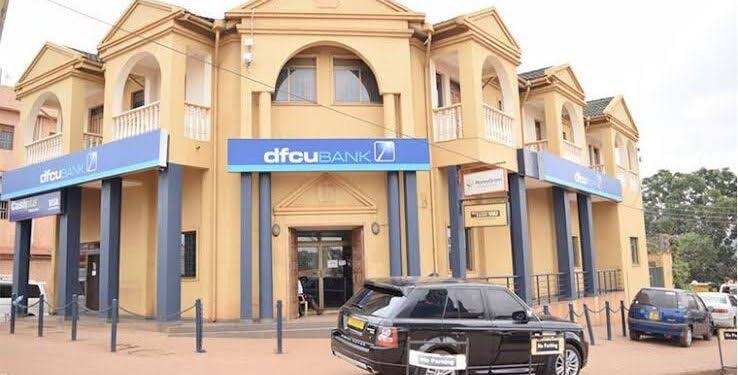
Businessman Sudhir Ruparelia has challenged attempts to hold Crane Bank’s former shareholders responsible for Shs219.459 billion in unrecovered liquidity support, intensifying the dispute surrounding the controversial sale of the bank to dfcu.
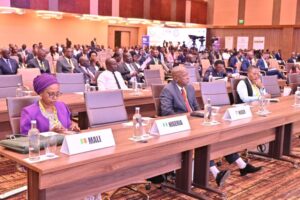
The dispute emerged during proceedings before Parliament’s Committee on Statutory Authorities and State Enterprises (COSASE), where Bank of Uganda Governor Michael Atingi-Ego maintained that the outstanding liquidity support was payable by Crane Bank and its former shareholders.
However, Ruparelia has rejected this position, arguing that the former shareholders lost control of the bank when the central bank suspended its board and appointed a statutory manager on October 20, 2016.
Ruparelia Questions Personal Liability
In his submission to COSASE, Ruparelia maintained that the former owners had no involvement in Crane Bank’s subsequent management or the arrangements that facilitated the transfer of its assets and liabilities to dfcu.
He further invoked the principle of limited liability, arguing that obligations arising from the bank’s operations should remain corporate liabilities rather than personal debts of its former shareholders.
Bank of Uganda Raises Legal Concerns
Atingi-Ego cautioned MPs against extensively discussing the central bank’s intervention, warning that public disclosure could affect its position in ongoing London proceedings.
He consequently asked Parliament to postpone substantive questioning or consider discussing sensitive matters in a closed session.
London Case Raises Stakes
The parliamentary inquiry has added another dimension to the dispute, particularly concerning the billions recorded during Crane Bank’s rescue and subsequent transfer.
Ruparelia and other claimants are pursuing damages amounting to Shs889 billion against institutions involved in the controversial transaction.
The London proceedings could provide an opportunity for a full judicial examination of the disputed acquisition and the parties’ respective responsibilities.
The outcome could carry significant financial implications and shape accountability over one of Uganda’s most consequential banking transactions.
The case remains ongoing, and no court has determined liability or whether the claimants are entitled to the damages sought.